Trade guides
How to start a cleaning business and get your first clients
A cleaning business can start with supplies that fit in your car. Residential or commercial, insurance and bonding, how to price, and where your first clients will come from.
October 9, 20268 min readBy Plamen Bankov, Boomtown Sites
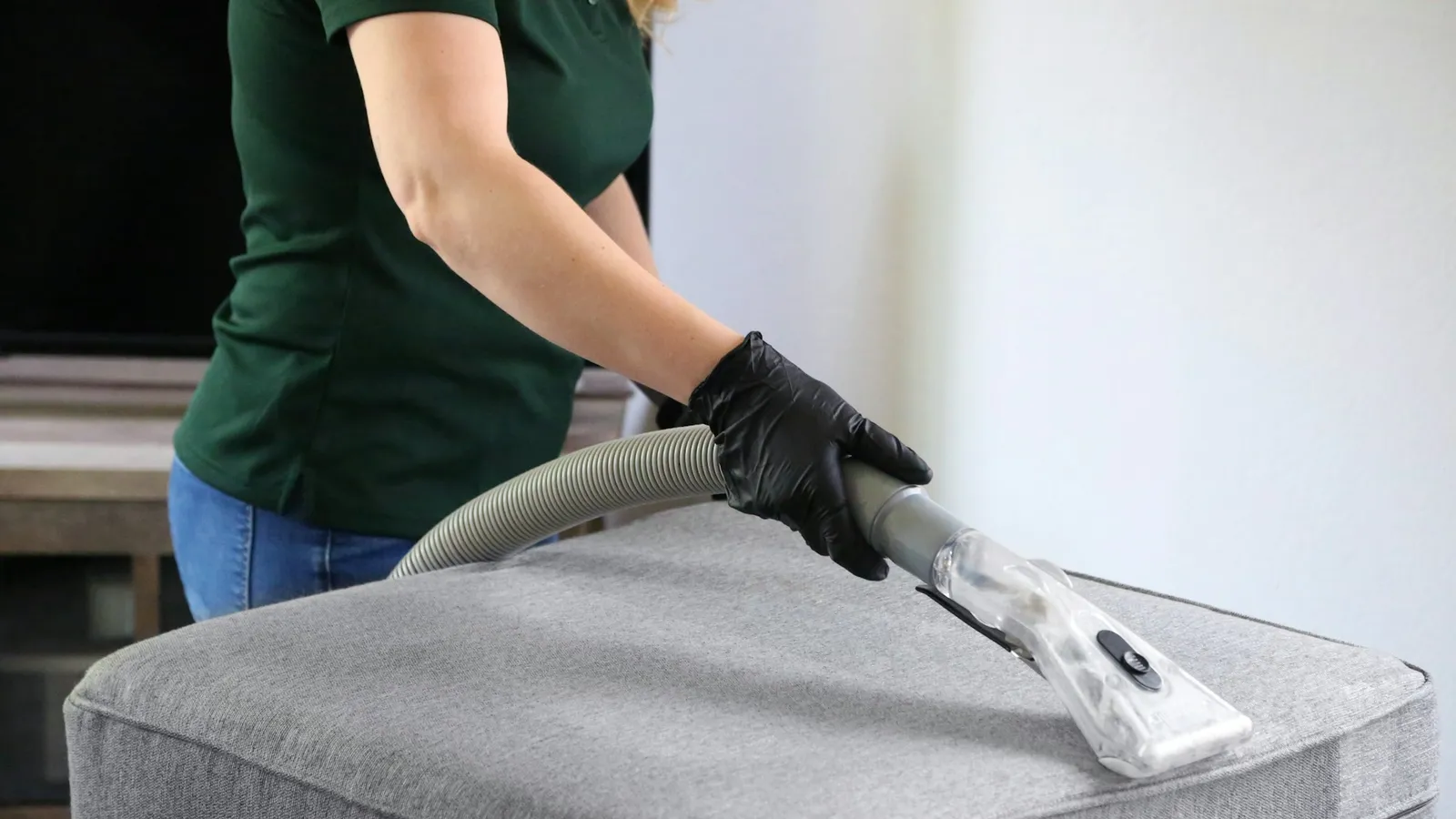
A cleaning business has one of the lowest startup costs of any service trade. Supplies, a vacuum and a reliable car are enough to take your first job. What turns it into a real business is trust: people are letting you into their homes and offices, often when they are not there.
That is why the cleaning companies that grow look professional from day one. Insured, bonded, clear prices, a real website and reviews. Here is how to get there.
1. Residential or commercial?
Pick a lane to start. You can add the other later.
- Residential cleaning: recurring house cleaning (weekly, every two weeks, monthly), deep cleans and move in or move out cleans. Easier to start, paid by individuals, lots of small jobs.
- Commercial cleaning: offices, medical clinics, gyms, stores and property common areas. Usually evenings, steady contracts, bigger accounts, but harder to win and more paperwork.
- Specialty cleaning: post construction cleanup, short term rental turnovers, carpet and upholstery, windows. Higher prices for specific skills and equipment.
Short term rental turnovers and move out cleans are a good way in. Hosts and property managers need reliable cleaners on tight schedules and send repeat work.
2. Supplies and equipment
- A good commercial vacuum with HEPA filtration.
- Microfiber cloths and mops, color coded so bathroom cloths never touch kitchens.
- Cleaning products for each surface, plus a few gentle options for clients with allergies or pets.
- Caddies, buckets, a step stool, gloves and shoe covers.
- A written checklist for each type of clean, so every visit is the same quality.
3. Insurance, bonding and paperwork
Requirements depend on your state and city. The usual list:
- Business registration and a local business license.
- General liability insurance for accidental damage, like a broken vase or a damaged floor.
- A janitorial bond, which protects clients if an employee steals. Many commercial clients and property managers ask for it, and it reassures homeowners too.
- Workers' comp once you hire, depending on your state.
- A simple service agreement covering what is included, cancellation, lockouts and how you handle keys or codes.
Once you have insurance and a bond, say so on your website. "Insured and bonded" is one of the first things people look for when hiring a cleaner.
4. How to price
Common pricing models:
- Flat rate per visit, based on bedrooms, bathrooms and square footage. The most popular for residential.
- Hourly, simple but customers like it less because they cannot predict the bill.
- Per square foot or monthly contract for commercial spaces.
Charge more for the first clean or a deep clean, since it always takes longer. Give a small discount for weekly or every two weeks service, because recurring clients are the core of a healthy cleaning business.
Publish starting prices on your website. "Standard clean from $X for a 2 bedroom home" saves you a dozen calls from people who were never going to book.
5. Get your first clients
Most people search "house cleaning near me", "maid service [town]" or "cleaning services near me" on their phone. Others ask neighbors. You want to show up in both places.
Google Business Profile
Create one as a service area business, list your towns and services, and add photos of your team and real results. It is free and it is how you get into the map. See how to get your business on Google Maps.
A website that builds trust
For a cleaning business, the website does a specific job: convince a stranger to let you into their home. That means:
- Real photos of you and your team, not stock photos of models in aprons.
- "Insured and bonded" near the top.
- Clear services and starting prices.
- The areas you cover.
- Real reviews from real clients.
- An easy quote or booking form that works on a phone.
Our checklist of what a service business website needs applies to cleaners just as well.
Referrals and partnerships
Realtors, property managers, short term rental hosts, moving companies and contractors all need cleaners. A good relationship with two or three of them can fill your calendar. Leave cards, show up on time, and send a photo of the finished space.
Reviews
Ask every happy client for a Google review after their first clean. Cleaning is a trust business, so reviews matter even more than in most trades. Here is a simple routine for getting more Google reviews.
6. Hiring your first cleaner
When you are turning down work, it is time to hire. A few things that save headaches:
- Run background checks. Clients will ask.
- Train with your written checklist, then do the first few jobs together.
- Follow your state's rules on employees versus contractors.
- Pay well enough to keep good people. Turnover is the biggest problem in this industry, and clients notice when their cleaner changes every month.
Getting started checklist
- Choose residential, commercial or a specialty to start.
- Buy supplies and write a checklist for each type of clean.
- Register the business, get insurance and a janitorial bond.
- Set flat rate prices with a recurring discount.
- Create your Google Business Profile.
- Launch a website with real photos, prices and "insured and bonded".
- Build relationships with realtors and property managers.
- Ask every client for a review.
When you want the website part handled, we can build you a free preview first, and you only pay if you like it. See our pricing page.
Frequently asked questions
What do I need to start a cleaning business?
Basic supplies and equipment, a registered business, liability insurance and a clear price list. Many owners start alone with residential clients and add staff as the schedule fills.
How do cleaning businesses get their first clients?
Start with people you know and local Facebook groups, then set up a Google Business Profile and a simple website so nearby searches can find you. Ask every happy client for a review and a referral.
Should I start with residential or commercial cleaning?
Residential is easier to start and pays quickly, but the work is during the day. Commercial contracts are steadier and often after hours, but take longer to win.