Trade guides
How to start a junk removal business (and get your first customers)
A truck, a trailer and a strong back get you started. Getting the phone to ring is the harder part. A practical guide from the people who build junk removal websites.
October 3, 20269 min readBy Plamen Bankov, Boomtown Sites
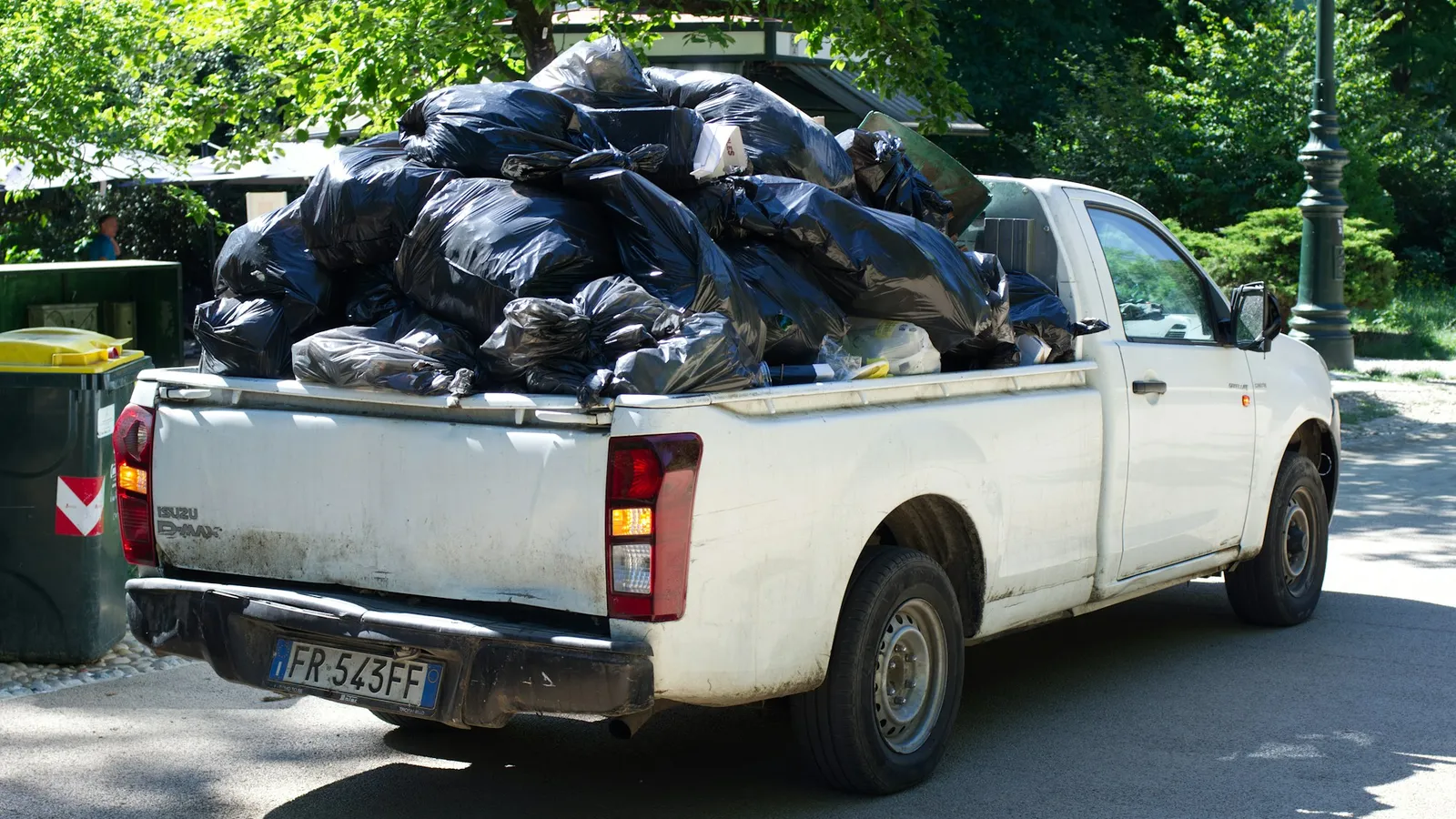
Junk removal is one of the easiest trades to start. You do not need years of training or a big shop. Plenty of successful companies began with one pickup truck, a borrowed trailer and a Facebook page.
What separates the crews who make it from the ones who quit after a season is rarely the hauling. It is pricing, paperwork and, above all, getting found by people who need a cleanout this week. We build websites for junk removal companies, so this guide leans hard on that last part.
1. Decide what kind of junk removal you will do
"Junk removal" covers a lot of different work, and each type brings different customers:
- Residential pickups: old furniture, appliances, garage and basement cleanouts. The bread and butter for most crews.
- Estate and hoarder cleanouts: bigger jobs, often booked by family members or real estate agents. They need care and patience.
- Construction and remodeling debris: repeat work from contractors, but heavier loads and higher dump fees.
- Property management and evictions: steady volume from landlords and managers once they trust you.
- Dumpster or trailer rental: some crews rent a trailer by the day as a second income stream.
You can do all of them, but starting with one or two makes your marketing much clearer.
2. Get the equipment you actually need
You can start lean:
- A pickup truck and a dump trailer, or a box truck if you can afford one.
- A dolly, an appliance dolly, straps, tarps, gloves and basic tools for taking things apart.
- A phone you will always answer, and a simple way to take card payments on site.
A dump trailer saves a lot of time at the landfill. Many crews start with a rented or used one and upgrade once the work is steady.
3. Handle the paperwork
Requirements vary by state, county and city, so check locally before you take your first paid job. The usual list:
- Business registration, often an LLC, with your state.
- A local business license from your city or county.
- General liability insurance and commercial auto insurance. Many property managers will ask for proof before they hire you.
- Hauling or waste permits, which some cities and counties require for hauling other people's waste.
- Disposal rules for items like mattresses, tires, paint, electronics and appliances with refrigerant. Know which local facilities take what, and what they charge.
4. Set clear prices
Most junk removal companies price by volume: a minimum charge for small pickups, then set prices for a quarter, half, three quarters and full load of the truck or trailer. Extra fees are common for heavy materials and for items that cost more to dispose of.
Whatever you choose, publish it. Customers comparing three companies will call the one that shows a price first. One of the junk removal sites we built, for a crew in Pennsylvania, puts their load by load price list near the top of the page, all inclusive, before any quote form.
To find your numbers, add up your dump fees, fuel, insurance, truck payments and your time, then check what others in your area charge. Do not start by being the cheapest. Cheap attracts the customers who are hardest to please.
5. Get found online
Almost every junk removal job starts with a phone search: "junk removal near me", "furniture removal [town]", "garage cleanout". The person searching usually decided ten minutes ago and wants someone soon. Here is what makes you the one they call.
Google Business Profile first
This is what puts you on the map in Google results, and it is free. Set it up as a service area business, list the towns you cover and add real photos of your truck and finished jobs. Our guide on getting your business on Google Maps walks through every step, including verification.
A simple, fast website
Your website does not need to be big. It needs to answer four questions within a few seconds on a phone:
- What do you haul, and what don't you take?
- Which towns do you cover?
- Roughly how much will it cost?
- How do I call, text or book?
Add before and after photos from real jobs. A pile of junk next to an empty garage sells better than any slogan. See what that looks like on the junk removal websites we have built.
Facebook and Nextdoor
Local Facebook groups and Nextdoor are where neighbors ask "does anyone know a good junk guy?". Post your finished jobs, join the local groups and reply quickly when someone asks. Link your Facebook page to your website so people can check you out properly.
Reviews from day one
Ask every customer for a Google review before you leave the driveway. A text with a direct link makes it easy. Ten real reviews in your first few months will do more for your calls than almost anything else.
6. Build repeat business
One off pickups pay the bills. Repeat clients build the business:
- Real estate agents need fast cleanouts before listings.
- Property managers and landlords need units cleared between tenants.
- Contractors and remodelers need debris gone so they can keep working.
- Storage facilities deal with abandoned units.
Drop off a card, show up on time, send a photo when the job is done, and invoice cleanly. That is usually enough to stand out.
7. Common mistakes to avoid
- Underpricing to win jobs, then losing money at the dump.
- No insurance, until the day a dresser goes through a wall.
- Missing calls while on a job. Set up a text back or a voicemail that says when you will call.
- Relying only on Facebook. It is great for showing work, weak for being found. We explain why in Facebook page vs website.
- Paying for leads before the basics are in place. Lead sites can help, but read Angi, Thumbtack or your own website before you commit a budget.
Getting started checklist
- Pick your main type of junk removal work.
- Get the truck, trailer and basic tools.
- Register the business, get the local license and insurance.
- Set load based prices and write them down.
- Create and verify your Google Business Profile.
- Launch a simple website with your prices, towns and photos.
- Ask every customer for a review.
- Start building relationships with agents and property managers.
When you are ready for the website part, we can build you a free preview from your Facebook page and job photos. You only pay if you like it. Start on our pricing page.
Frequently asked questions
What do I need to start a junk removal business?
A truck or trailer, basic tools and safety gear, a registered business, insurance and a place to dump or donate what you haul. You can start small and upgrade the truck as the work comes in.
How do junk removal companies price jobs?
Most price by how much of the truck the load fills, with extra charges for heavy or hard-to-dump items. Clear price ranges on your website bring more calls than "call for a quote".
How do I get my first junk removal customers?
Set up a Google Business Profile, a simple website with your prices and area, and post real jobs in local Facebook groups. Realtors and property managers are a good source of repeat work.