Trade guides
How to start a towing business (and get calls from day one)
Towing is always in demand and heavily regulated. Here is how to choose your services and truck, handle permits and insurance, set prices and get direct calls.
October 13, 20269 min readBy Plamen Bankov, Boomtown Sites
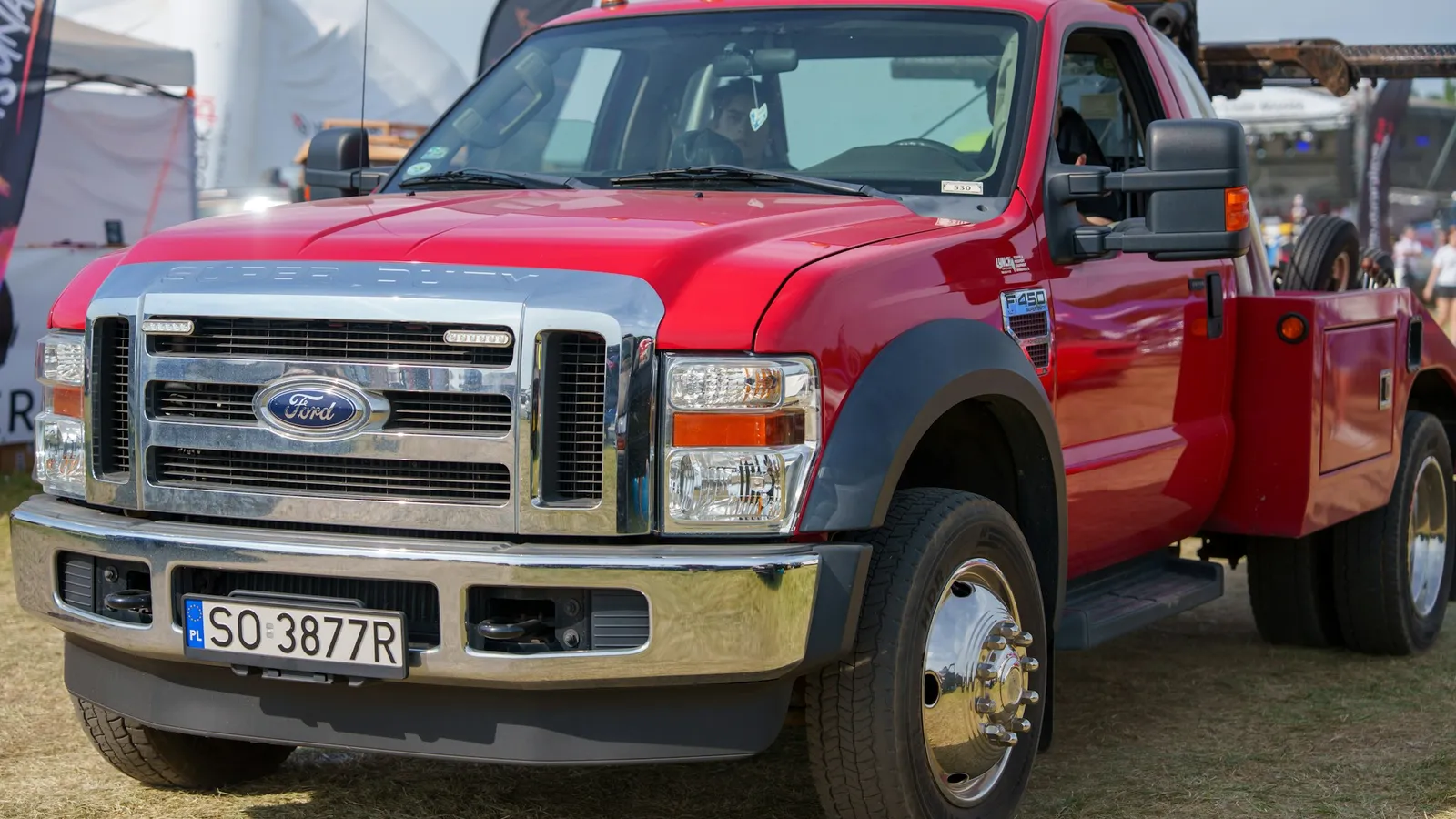
Towing looks simple from the outside: buy a truck, answer the phone, hook up cars. In practice it is one of the most regulated small businesses you can start, and one of the most dependent on being found in the exact minute someone needs you.
The good news is that the demand never stops. Cars break down every day in every county. This guide covers what it takes to start a towing business the right way, and how to get calls without depending on anyone else's dispatch list.
1. Decide what kind of towing you will do
Different work needs different trucks, insurance and customers. Most new owners pick one or two of these to start:
- Roadside assistance: jump starts, lockouts, tire changes and fuel delivery. The lowest cost way in, sometimes without a tow truck at all.
- Light duty towing: cars, pickups and SUVs, usually on a flatbed. The core of most small towing companies.
- Accident recovery: winching and clearing wrecks, often through police rotation lists.
- Private property and impound towing: contracts with apartment complexes and businesses. Steady, but tightly regulated and you need a storage yard.
- Heavy duty towing: semis, buses and equipment. High revenue per job and a very large investment in trucks and training.
- Junk car removal and transport: scheduled work that fills quiet hours.
2. Choose the right truck
The truck is your biggest decision. The main types:
- Flatbed (rollback): the most versatile choice for a first truck. It carries all-wheel drive cars, low cars and damaged vehicles safely.
- Wheel lift wrecker: smaller and quicker in tight spaces such as parking garages and apartment lots.
- Integrated or heavy wrecker: for medium and heavy duty work.
Many owners start with one used flatbed in good mechanical shape. Have a mechanic who knows tow equipment inspect the bed, winch and hydraulics before you buy. Add the basics: straps, chains, dollies, a jump pack, a lockout kit, safety lights, cones and reflective gear.
3. Licenses, permits and insurance
This is where towing differs most from other trades. Rules vary a lot by state, county and city, so check with your state transportation agency and your local government before you spend money. The usual list:
- Business registration and a local business license.
- A towing license or permit, required by many states and cities, sometimes per truck.
- A USDOT number, where your state or your type of work requires one, and operating authority if you cross state lines.
- A commercial driver's license if the truck or the combined weight is above the limit in your state.
- Insurance: commercial auto liability, on-hook coverage for the vehicle you are towing, and garagekeepers coverage if you store vehicles. Towing insurance is expensive, so get quotes before you buy the truck.
- A storage yard that meets local rules, if you plan to do impound or police work.
Some areas also set maximum rates for certain tows, especially ones the vehicle owner did not ask for. Know those limits before you write a price list.
4. Set your prices
Most towing companies charge a hook-up fee plus a rate per mile, with extra charges for winching, after-hours calls, dollies and storage. Roadside services usually have a flat price each.
To find your numbers, add up your truck payment, insurance, fuel, maintenance and what you need to earn per hour, then compare with what others in your area charge. Remember the drive to the customer is unpaid time, which is why a tight service area matters.
5. Where the calls come from
A towing business usually has three sources of work, and the strongest companies use all of them.
Motor clubs and roadside networks
Roadside assistance programs and insurance networks send a steady stream of calls. The volume is real, but the rates are set by the network and are lower than what a direct customer pays. They are a good base while you build your own calls.
Contracts and rotation lists
Body shops, repair shops, dealerships, apartment complexes and police rotation lists can all become regular work. Each one comes from a visit in person, a reliable track record and the right paperwork.
Direct calls from Google
This is the most profitable work, because the customer pays your full rate. It is also the one you control. A driver on the shoulder searches "towing near me" and calls the first result that looks real and close. That takes three things:
- A Google Business Profile set up as a service area business, with your hours, your phone and photos of your truck. See how to get your business on Google Maps.
- A fast website with a huge call button, the services you offer and the towns, highways and exits you cover. It has to load on a weak signal. Here is what we put on websites for towing companies.
- Reviews. A stranded driver reads two or three and calls. Ask every customer, and read how to get more Google reviews.
If your trade qualifies in your area, Local Services Ads can put you above everything else and you pay per lead.
6. Answer every call
In towing, a missed call is a lost job. The driver calls the next number within seconds. Use a phone that rings wherever you are, answer with your company name and give an honest arrival time. If you run 24 hours, say so everywhere. If you do not, say that too, because a call at 2am that nobody answers earns you a bad review.
7. Common mistakes to avoid
- Buying the truck before checking insurance costs. The quote can change your whole plan.
- Covering too large an area. Long unpaid drives eat the profit.
- Depending on one motor club. If they change the rate or the territory, your income changes overnight.
- Skipping damage photos. Photograph every vehicle before you touch it.
- No online presence. A Facebook page alone will not show up when someone searches from the roadside. We explain why in Facebook page vs website.
Getting started checklist
- Pick your services and your service area.
- Check state and local towing rules and get insurance quotes.
- Register the business and apply for the permits you need.
- Buy and equip the truck.
- Set up your Google Business Profile and a simple website.
- Visit local repair shops, body shops and property managers.
- Ask every customer for a review.
We build fast, phone-first websites for towing companies, with the call button on every screen. We build a free preview first and you only pay if you like it. See our pricing page.
Frequently asked questions
What do I need to start a towing business?
A suitable truck, usually a flatbed, plus the licenses and permits your state and city require, commercial auto, on-hook and often garagekeepers insurance, and a way for customers to find and call you.
What type of tow truck should I start with?
A flatbed is the most versatile first truck, because it safely carries all-wheel drive, low and damaged vehicles. A wheel lift wrecker is better in tight spaces such as parking garages.
How do towing companies get customers?
From three sources: motor clubs and roadside networks, contracts with shops, property managers and police rotation lists, and direct calls from people searching Google. Direct calls pay the most and depend on your Google Business Profile, website and reviews.