Trade guides
How to start a landscaping or lawn care business
Start with a mower and a trailer, grow into routes and bigger installs. What to buy, which licenses matter, how to price and how to get your first steady clients.
October 9, 20269 min readBy Plamen Bankov, Boomtown Sites
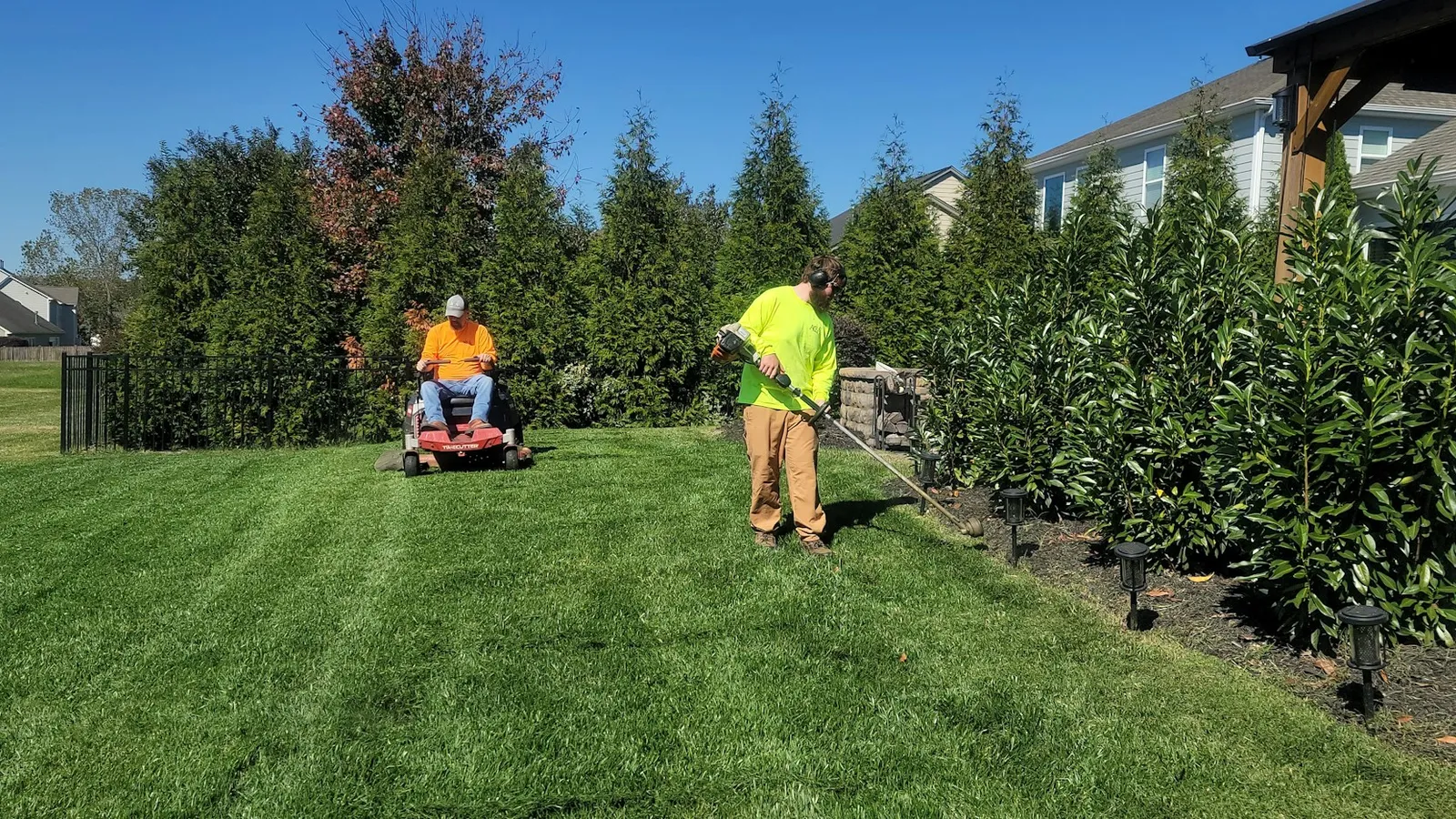
Lawn care and landscaping are two of the most common first businesses in the trades, and for good reason. Every house has a yard, most owners do not want to deal with it, and the work comes back every week from spring to fall.
The trade is easy to enter, which also means it is competitive. The companies that grow are the ones with tight routes, clear prices and a steady flow of new calls. Here is how to start one that lasts.
1. Lawn care or landscaping?
They overlap, but they are different businesses:
- Lawn care is maintenance: mowing, edging, trimming, leaf cleanup, often fertilizing and weed control. Lower ticket, recurring, route based.
- Landscaping is projects: planting beds, mulch, sod, shrubs, retaining walls, patios and drainage. Bigger tickets, more skill, more equipment.
Many companies start with mowing for steady cash flow, then sell landscaping projects to the same customers. Your mowing clients already trust you with their yard.
2. Equipment to start with
For a lawn care start:
- A commercial walk behind or zero turn mower. Commercial mowers last much longer under daily use.
- A string trimmer, an edger and a backpack blower.
- A truck and an open trailer with a ramp and secure storage.
- Gas cans, spare blades, a sharpening setup and basic tools.
For landscaping projects, rent the big stuff at first: skid steers, sod cutters, tillers and plate compactors. Buy once you are renting the same machine every week.
3. Licenses and insurance
Requirements depend on your state and city, so check before your first paid job. The usual list:
- Business registration and a local business license.
- General liability insurance. A rock thrown through a window or a car is a matter of when, not if.
- Commercial auto insurance for the truck and trailer.
- A pesticide applicator license if you apply herbicides, insecticides or weed control products for customers. Most states require this for commercial application, and some also regulate fertilizer.
- A contractor license in some states for hardscaping, irrigation or larger landscape projects.
- Workers' comp once you hire help, depending on your state.
4. How to price
Common pricing models:
- Per cut for mowing, based on lot size and how long it takes.
- Monthly or seasonal plans that spread the cost evenly. Customers like predictable bills, and you get predictable income.
- By the job for cleanups and projects, built from materials, labor hours and equipment rental.
Time yourself on every type of property for the first month. Your real cost per hour, including fuel, insurance, equipment and drive time, is what your prices must cover. Do not quote by guessing what the last guy charged.
Put starting prices on your website, even if it is "weekly mowing from $X for a standard lot". Homeowners want a ballpark before they call.
5. Build tight routes
In lawn care, drive time is profit leaking away. Ten yards on the same few streets earn far more than ten yards spread across the county.
- Focus your marketing on a few neighborhoods instead of the whole metro.
- Offer a neighbor discount when you are already on the street.
- Leave door hangers on the houses next to every new client.
- Say no, politely, to one off jobs far outside your area once you are busy.
6. Get found by homeowners
Most people looking for lawn care search "lawn care near me", "lawn mowing service [town]" or "landscapers near me". To show up:
Google Business Profile
Set it up as a service area business with the towns you cover, your services and real photos of yards you maintain. Our guide on getting your business on Google Maps walks through it.
A simple website
Your website should say exactly what you do, which neighborhoods you serve, roughly what it costs and how to get a quote. A short form with address and lot size lets you quote from satellite view without a site visit.
Show your best work. Fresh stripes, clean edges and before and after shots of overgrown yards do the selling for you. Our post on before and after photos explains how to take them. For related outdoor trades, see the stump grinding and fence contractor sites we have built.
Nextdoor and local Facebook groups
"Can anyone recommend a lawn guy?" is one of the most common posts on Nextdoor. Answer quickly, link to your website and ask happy clients to tag you.
Reviews
Ask every new client for a Google review after the first few cuts, once they have seen you show up reliably. See how to get more Google reviews.
7. Plan for the off season
In most of the country mowing slows down or stops in winter. Plan ahead:
- Sell fall cleanups and leaf removal before the season ends.
- Add snow removal if you are in a snowy region.
- Book landscaping projects for early spring during the winter.
- Offer annual contracts that keep a monthly payment coming year round.
Getting started checklist
- Decide: lawn care first, landscaping projects, or both.
- Buy a commercial mower, trimmer, blower and a trailer.
- Register the business, get insurance and any applicator license you need.
- Time your jobs and set prices that cover your real costs.
- Pick a few neighborhoods and build tight routes.
- Set up your Google Business Profile.
- Launch a simple website with services, areas, prices and photos.
- Ask for reviews and plan your off season work.
When you are ready for a website, we can build you a free preview first. You only pay if you like it. See the options on our pricing page.
Frequently asked questions
What is the difference between lawn care and landscaping?
Lawn care is recurring maintenance such as mowing, edging and cleanups. Landscaping is project work such as planting, beds and hardscape. Many businesses start with lawn care because the income repeats.
What equipment do I need to start?
For lawn care: a reliable mower, a trimmer, a blower and a way to haul them. Buy for the jobs you already have and add equipment as the work calls for it.
How do landscapers get customers?
Door hangers and referrals on the streets you already work, plus a Google Business Profile and a website with photos so homeowners searching nearby can find you.