Trade guides
How to start a pressure washing business (and fill your schedule)
Pressure washing is cheap to start and pays well when the schedule is full. Equipment, paperwork, pricing and the marketing that actually brings in driveways, decks and house washes.
October 9, 20269 min readBy Plamen Bankov, Boomtown Sites
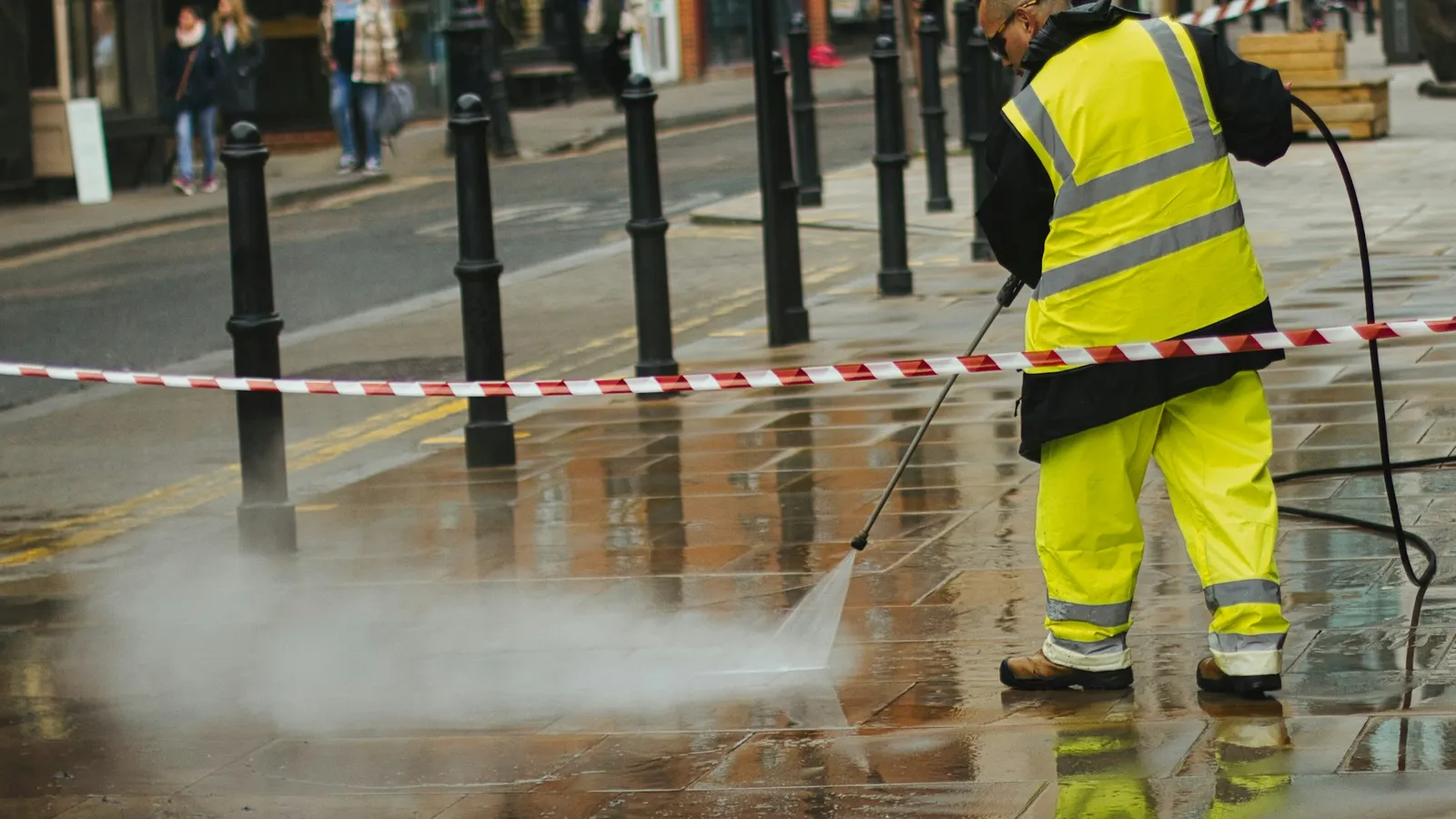
Pressure washing is one of the fastest service businesses to get off the ground. The equipment fits on a trailer, there is no inventory, and the results are so visible that every job sells the next one. A dirty driveway next to a clean one is the best ad you will ever have.
It is also crowded. In most towns there are a few established companies and a stream of guys with a rented machine. The ones who last price properly, handle the chemicals safely and make it easy for homeowners to find and book them. This guide covers all of it.
1. Choose your services
"Pressure washing" covers more than blasting concrete. The main types of work:
- Flat surfaces: driveways, sidewalks, patios and pool decks. Fast, high demand, easy to show off.
- House washing: siding, usually done with soft washing, a low pressure method with cleaning solution that does not damage the surface.
- Roof cleaning: soft wash only. Higher price, more risk, more training needed.
- Decks and fences: cleaning, often followed by staining or sealing as an upsell.
- Commercial work: storefronts, parking areas, drive thrus, dumpster pads, fleet washing. Recurring contracts, often at night.
Most new companies start with driveways and house washing, then add roofs and commercial work once they have the experience and equipment.
2. Get the right equipment
You do not need everything on day one, but cheap gear will cost you in time. The core setup:
- A commercial pressure washer with good flow (GPM). Flow cleans faster than raw pressure. Homeowner machines from the hardware store wear out quickly.
- A surface cleaner for flat concrete. It cuts driveway time dramatically and leaves no stripes.
- A soft wash setup: a chemical pump, hoses and tips for applying cleaning solution to siding and roofs.
- Hoses, reels, nozzles, a water tank or buffer tank and a trailer or truck to carry it all.
- Safety gear: eye protection, gloves, boots with grip and protection for plants around the house.
Many owners start with a skid on a utility trailer and upgrade once the work is steady. Buying used from someone leaving the business is common.
3. Handle the paperwork and the water rules
Rules depend on your state, county and city, so check before you start. The usual list:
- Business registration, often an LLC, and a local business license.
- General liability insurance. One etched window or damaged siding panel can cost more than a month of work. Commercial clients will ask for proof.
- Commercial auto insurance for the truck and trailer.
- Wastewater rules. Many cities do not allow dirty water or cleaning chemicals to run into storm drains. Commercial jobs in particular may require water reclaim or diversion. Ask your city or county what applies.
Learn the chemicals properly before you use them on customers' homes. Soft washing uses solutions that can hurt plants, people and surfaces if mixed or applied wrong. Industry associations and experienced operators run training that is worth the money.
4. Price for profit
Common ways pressure washing companies price:
- Per square foot for flat surfaces like driveways and patios.
- By house size or number of stories for house washing.
- Packages like "house wash plus driveway plus walkway" for a set price.
- A minimum charge so small jobs still cover your drive time and setup.
Check what established companies in your area charge, then price around them, not below them. Cheapest in town is a hard way to run a business. And show at least a starting price on your website. Homeowners comparing three companies call the one that gives them a number first.
5. Get found by homeowners
Most pressure washing jobs start with a search: "pressure washing near me", "house washing [town]", "driveway cleaning". Spring and early summer are especially busy. Here is what puts you in front of those searches.
Google Business Profile
Set it up as a service area business, list the towns you cover and upload your best before and after photos. It is free and it is what puts you in the map. Our guide on getting your business on Google Maps covers every step.
A website that shows the results
Pressure washing sells on visuals. Your website should open with a dramatic before and after, list your services and towns, show starting prices and have a big call or text button. That is it. See our guide to before and after photos that win jobs for how to shoot them.
Similar outdoor trades follow the same pattern. Look at the sandblasting and sealcoating sites we have built for ideas.
Door hangers and yard signs
When you finish a driveway, the neighbors notice. Ask the customer if you can leave a yard sign for a few days, and drop door hangers on the street offering a neighbor discount. Clean concrete next door is a strong sales pitch.
Reviews
Ask every customer for a Google review while they are admiring the finished job. Our guide on how to get more Google reviews has a simple routine and the rules to follow.
6. Build recurring revenue
One off driveways are great in spring. Recurring work keeps you busy the rest of the year:
- Annual house wash plans with a reminder each spring.
- Restaurants and shops that need regular sidewalk and dumpster pad cleaning.
- Property managers and HOAs with many buildings and common areas.
- Car dealerships and fleets that want trucks or lots washed on a schedule.
7. Common mistakes to avoid
- Too much pressure on soft surfaces. Etched concrete, stripped paint and damaged siding are expensive lessons.
- No insurance. Customers and commercial clients will ask, and you will need it eventually.
- Racing to the bottom on price. It attracts the hardest customers and burns you out.
- Relying only on Facebook. Good for showing results, weak for being found by people searching. See Facebook page vs website.
Getting started checklist
- Pick your first services, usually flat surfaces and house washing.
- Buy or lease a commercial machine, surface cleaner and soft wash setup.
- Register the business, get the license and insurance.
- Learn the chemicals and your local wastewater rules.
- Set prices with a minimum charge.
- Create and verify your Google Business Profile.
- Launch a simple website with before and after photos and prices.
- Ask every customer for a review and leave a yard sign.
When you are ready for the website, we can build you a free preview from your Facebook page and job photos. You only pay if you like it. Start on our pricing page.
Frequently asked questions
What equipment do I need to start a pressure washing business?
A commercial grade pressure washer, a surface cleaner, hoses, nozzles and the right cleaning solutions for soft washing. A trailer or truck setup with a water tank helps on larger jobs.
Do I need a license for pressure washing?
Rules depend on your state and city. Most places need a registered business and insurance, and some have rules on where wash water can go. Check locally before your first job.
How do pressure washing businesses get customers?
Before and after photos do most of the selling. Post them on your website, Google Business Profile and local Facebook groups, and offer repeat plans for houses and storefronts.